If you cook breakfast for people with different priorities, you learn fast where pancakes usually fail. The classic diner stack tastes great, then leaves you sleepy at 10 a.m. The “healthy” whole wheat flapjack eats like a coaster. Protein powders promise salvation, but they can dry out the batter and turn your pan into a glue trap. There’s a cleaner, more reliable route: cottage cheese. It gives you structure, tenderness, and 12 to 14 grams of protein per half cup, without gritty aftertaste or complex technique.
I’ve made this batter for athletes heading to early training, for parents who needed something that would hold a kid until lunch, and for myself on the weeks when meal prep is the only thing keeping the wheels on. What follows is the working recipe I trust, why it works, the adjustments that matter, and a troubleshooting guide realistic enough for weekday mornings.
The balance you’re after: tender, structured, and satisfying
Cottage cheese pulls triple duty. It adds complete dairy protein, moisture, and gentle acidity. That acidity helps baking powder and baking soda perform, which lifts the pancakes without a mountain of sugar. You also get enough salt to season the batter, not so much you have to compensate elsewhere. The curds disappear once blended, so the texture eats like a classic pancake, not a bowl of curds tipped on a griddle.
Blueberries do more than add color. They bring tartness and hydration, and they are the first place pancakes collapse if you overload them or stir them in too early. Fold them in at the end, go light at first, and you avoid a batter streaked purple that never sets in the middle.
A handful of oats is the quiet fix for density. Oats swell, tenderize, and hold moisture. When you blend them with cottage cheese and egg, you build a batter that cooks through before it scorches, then stays moist as it cools. If you prefer all-purpose flour, you can keep it, but a modest dose of oats lets you cut the white flour without turning the result into health food theater.
The baseline recipe, with numbers that work
Serves two hungry adults or three moderate appetites. Doubles cleanly.
- 1 cup small-curd cottage cheese (full-fat for best tenderness; low-fat works with a small tweak below) 2 large eggs 1 teaspoon vanilla extract 1 to 2 tablespoons maple syrup or sugar, optional, or skip if topping is sweet 1/2 cup rolled oats, or 1/3 cup quick oats, or 1/2 cup all-purpose flour 1/4 cup milk, plus 2 to 4 tablespoons more as needed 1 teaspoon baking powder 1/4 teaspoon baking soda (omit if skipping acidic ingredients) 1/4 to 1/2 teaspoon fine salt, to taste 3/4 to 1 cup fresh blueberries, dry and room temp Butter, ghee, or neutral oil for the pan
If you track macros, the base batter (without syrup or butter, using 1/2 cup rolled oats and full-fat cottage cheese) lands https://rentry.co/v52tr2bt roughly around 40 to 45 grams of protein for the batch. Divide by the number of pancakes you make to estimate per piece. In practice, I focus on the plate: three medium pancakes with a tablespoon of peanut butter and a handful of berries is a legitimate breakfast.
Technique that keeps you out of trouble
Start by blending. You want the cottage cheese, eggs, vanilla, sweetener, and milk to become a smooth base. A small blender cup does this in 20 to 30 seconds. Then add dry ingredients and pulse until just combined. Oats should look broken down, not like baby powder. If you’re using flour, stir by hand to avoid overdeveloping gluten, which toughens the cakes.
Let the batter rest while the skillet heats. Five minutes is enough for oats to hydrate and for the leaveners to start their quiet lift. This pause also gives you a chance to fix thickness. You’re aiming for a batter that pours slowly off a spoon, not a stream and not a blob. If it mounds, add milk by the tablespoon. If it runs, sprinkle in a tablespoon of oats or flour and wait another couple minutes.
Cook on medium heat, not high. You want the surface to dry and set before the underside overbrowns. Grease lightly, then scoop batter in 1/4 cup portions. Scatter blueberries over each round rather than mixing them into the bowl. This keeps distribution even and prevents the batter from bleeding purple as the berries burst. Flip when the edges look matte and you see a constellation of small bubbles that hold their shape, about 2 to 3 minutes. The second side takes less time, 1 to 2 minutes. If you hear loud sizzling and see smoke, the pan is too hot, and your pancakes will be raw in the middle. Turn the heat down and give the pan a minute off the burner.
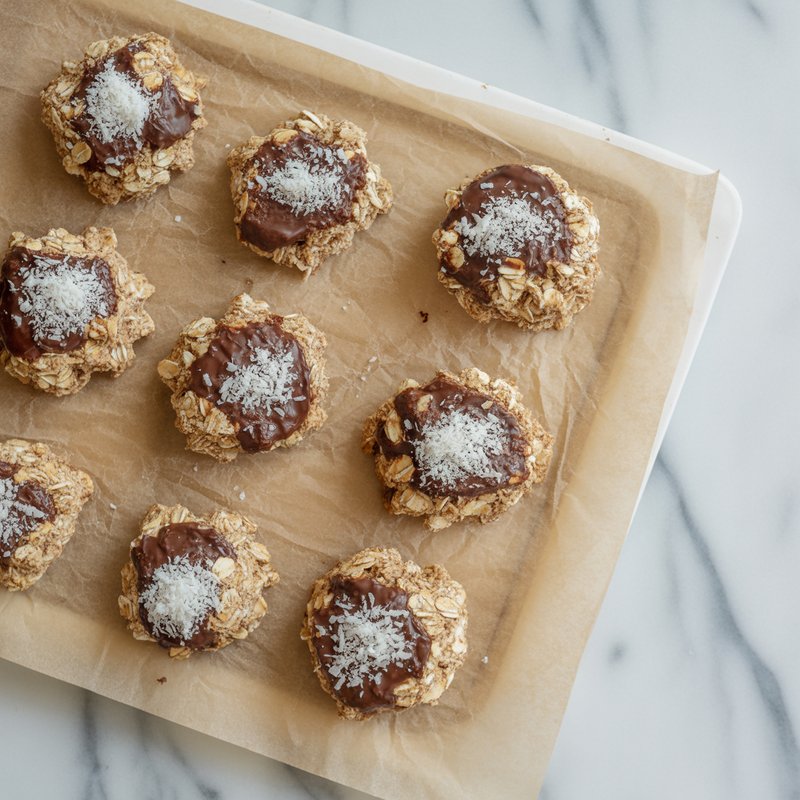
A wire rack beat a plate for holding pancakes as you finish the batch. Stacking on a plate traps steam and softens the tops. If you like a little crisp edge, rack them.
Why cottage cheese beats protein powder here
I’ve tried adding whey concentrate to pancake batter. It pushes protein up fast, no question. It also absorbs water and tightens crumb. The fix is to add more liquid fat or milk, which thins the batter and shifts cook time. You can get it to work, but the cost is more variables before coffee. Cottage cheese gives you quality protein and fat that behave in a familiar way. It also buffers heat. Those curds, once blended, release moisture as the cake cooks, which buys you an extra 30 seconds before the surface scorches.
If you love the extra protein, a hybrid approach is viable. Swap 2 tablespoons of oats for 2 tablespoons of whey, and add an extra tablespoon or two of milk. The texture holds, and you gain around 5 to 8 grams of protein across the batch depending on the powder. Expect slightly faster browning.
Adjustments that matter by goal
Different mornings call for different levers. Here’s where to make changes without breaking the batter.
- For more protein per pancake: Use a heaping cup of cottage cheese, not skim. Add one extra egg white. If you change nothing else, the batter will thicken. Loosen with 1 to 2 tablespoons of milk. Expect about 5 extra grams of protein across the batch from the egg white alone. For gluten-free: Oats are already gluten-free if sourced properly, but cross-contact is common. Buy certified gluten-free oats. Skip flour entirely. The blend-and-rest step becomes nonnegotiable here because oats are your only binder. If you want insurance, add 1 tablespoon of almond flour or a teaspoon of psyllium husk. Both improve structure without grain. For lower fat: Use low-fat cottage cheese and add a teaspoon of neutral oil to the batter. This keeps tenderness without the whole-milk dairy. Do not go entirely fat free and also cook on a dry pan unless you like gummy centers. A small amount of fat, in the batter or the pan, makes the difference between tender and rubbery. For higher fiber: Swap half the oats for oat bran, or keep oats and add 1 tablespoon of ground flax. Flax will thicken the batter as it sits. Keep a splash of milk ready. For frozen berries: Keep them frozen. Rinse lightly, then dry on a towel so they don’t carry a sheet of ice into the pan. Scatter them individually on each pancake. If you stir them into the bowl, you’ll cool the batter and stall the rise.
A quick scenario, because real mornings are messy
You’ve got 18 minutes before you need to be out the door. There’s a half tub of cottage cheese on its last day, a handful of blueberries that look fine, and a pan you forgot to wash last night. You blend cottage cheese, eggs, vanilla, and a glug of milk for 20 seconds. Toss in oats, baking powder, soda, and salt. Pulse three times. Batter looks thick. Add another splash of milk.
The pan heats while you wipe it. You test with a drop of water, it skitters around. You grease lightly, scoop three pancakes, drop blueberries on top. First side takes three minutes, second takes one and a half. You eat one while the second batch cooks, swipe peanut butter on the plate instead of syrup to save a step. The third pancake goes into a container for later. You leave on time, not hungry, and your kitchen doesn’t look like a food stylist passed through.
The point is not that this is aspirational. It’s that the process holds up under mild chaos.
Texture problems, their causes, and the fix
Dense centers usually come from one of three issues: too much batter in each pancake, heat too high, or too-wet berries. Make smaller rounds, drop the heat to medium-low, and dry the berries before they hit the pan. Also, let the batter rest. Those few minutes matter.
Rubbery chew means you overmixed flour, cooked on a dry pan, or used fat-free cottage cheese without compensation. If you prefer some flour for familiarity, stir it in by hand and stop while streaks remain. A teaspoon of oil in the batter improves tenderness more consistently than more butter in the pan, though I like both.
Gritty mouthfeel comes from under-blended oats. Blend the wet base first, then add oats. If you want a smoother crumb but like oats for nutrition, use quick oats or pulse rolled oats dry into a coarse flour before you start. I keep a jar of blended oats in the pantry for this purpose, just labeled “oat flour.” It’s not truly flour, but it behaves like it in this context.
Purple batter signals that blueberries were stirred in too aggressively or were thawed and mushy. Fold gently at the end, or better yet, sprinkle on the griddle. If you love that purple marbled look, there’s no harm, but know that the color change often comes with streaks of excess moisture, which can flatten the lift.
Heat management is the quiet skill
Most home burners run hotter around the perimeter and cooler in the middle. You see this in uneven browning patterns. If your first pancake has a dark crescent and a pale crescent, rotate the pan halfway through the batch. Cast iron holds heat well but punishes high flames, especially once oil is down. Nonstick gives you the most forgiveness as long as you avoid high heat.
A good test: after you grease the pan, dip the tip of a spoon in the batter and draw a small line. If the line sits with tiny perimeter bubbles forming in 3 to 4 seconds, you’re in the zone. If it sizzles violently and skins over instantly, drop the heat. If it does nothing, give it 30 seconds more.
Toppings that make sense nutritionally and texturally
You can drown any good pancake in syrup and get away with it, but this batter pairs well with toppings that echo its balance. Maple syrup plus lemon zest is my default when I’m serving company. The zest lifts the blueberries and cuts sweetness without making it sour. For weekday fuel, peanut butter or almond butter adds fat and protein that actually sticks with you. Greek yogurt works if you lean tart and add a drizzle of honey. A handful of toasted almonds or granola adds crunch that survives the last bite.
If you want a compote without a project, heat a cup of blueberries in a small pan with a teaspoon of water and a pinch of salt. Cook on medium until a few berries burst and the juices thicken slightly, 3 to 5 minutes. The salt matters. It makes the berries taste like themselves.
Make-ahead strategy that actually holds up
Refrigerate leftovers in a flat stack separated by parchment, or stand them on edge in a container if you’re short on space. They keep well for 3 days because the cottage cheese retains moisture. Reheat in a toaster on medium for 1 to 2 cycles. Microwave works in a pinch, 20 to 30 seconds for two pancakes, but the edge crisp will be gone. If you’re freezing, cool completely, wrap tightly, and thaw in the toaster. You can also freeze the blended base without leaveners for up to a month. When you’re ready to cook, whisk in baking powder and soda and proceed. The texture is surprisingly close to fresh if you remembered to label the container with what still needs adding.
If you prefer a fork-only batter mix, here’s how to do it
Not everyone wants to pull out a blender at 7 a.m. You can make a credible version in one bowl. Whisk the eggs until frothy, stir in cottage cheese, vanilla, sweetener, and milk, then mash with the whisk to break down the curds. They won’t disappear completely, but they will soften during cooking. Whisk in the dry ingredients. Rest 10 minutes to let the oats hydrate. This yields a slightly heartier texture. Some people like the subtle curd pockets under a pool of hot blueberries. If that’s you, skip the blender with confidence.
Flour versus oats: choosing your starch on purpose
All-purpose flour gives you a tighter crumb and a more traditional pancake profile. Oats give you softness, moisture retention, and a bit of chew. The protein from cottage cheese can make a flour-based batter tough if vigorous mixing follows, so either blend the wet and fold the flour delicately, or use a hybrid. My reliable middle path is one third flour, two thirds oats by volume. You get the nostalgic structure with the moisture retention people associate with “healthy” pancakes, without the off flavors sometimes found in whole wheat flour when it sits.
If you only have whole wheat flour, use white whole wheat, not standard whole wheat. It’s milder and less bitter, especially important when blueberries bring their own tart notes. If all you have is standard whole wheat, sift it, and use half the quantity with oats filling the rest.
The small levers that make this recipe your own
A pinch of cinnamon can be lovely, but it tends to step on blueberry aroma. I use it when I’m out of vanilla. Lemon zest, on the other hand, is excellent and plays directly to blueberry strengths. Add it to the batter, not after.
Salt is a choice, not an afterthought. Cottage cheese has some sodium, but not consistent amounts across brands. Taste a dot of batter on the back of a spoon. If it tastes flat, add a pinch. You’re not trying to make it salty. You’re trying to make the blueberry taste like blueberry without pouring on extra sugar.
Fat in the pan changes the edge character. Butter browns, smells like breakfast, and can burn. Ghee behaves like butter without the smoke. Neutral oil is clean and convenient, but the pancakes will taste a bit more plain. I mostly use a mix: a small dab of butter for flavor with a few drops of oil to raise the smoke point.
When the kitchen scale earns its counter space
Volume measurements are convenient, but if you cook this weekly, a scale pays off in consistency. A cup of cottage cheese can swing 20 to 30 percent by brand and how you pack it. If you care about repeatable texture, aim for roughly 225 to 240 grams cottage cheese, 100 grams rolled oats, 50 to 70 grams milk to start, then adjust. This keeps your hydration consistent across batches. The payoff is that your first pancake is as good as the third.
A brief word on sourcing and substitutions
Small-curd cottage cheese blends more smoothly. If large-curd is what you have, give the blender 10 extra seconds. Cultured, tangier brands make livelier batter, but watch salt content. If your cottage cheese tastes significantly salty on its own, edge your added salt down to a quarter teaspoon and see how it cooks.
Blueberries: fresh, plump, and dry is the ideal. Off-season, small wild frozen blueberries bring intense flavor without weighing down the batter. Because they are small, they distribute easily and cook fast. If you use them, scatter more generously. You can also fold in chopped strawberries or raspberries, but they leak more water and tear more easily. Keep batches small so you can manage the moisture.
Milk choice: dairy, oat, or soy milk all work. Almond milk is thinner and may require less to reach the same consistency. If you go non-dairy, a teaspoon of oil in the batter helps mimic the richness of dairy milk.
Sweetener: if you are topping with syrup or fruit compote, keep or omit the sweetener in the batter as you prefer. I usually include a tablespoon of maple syrup in the batter because it helps browning and rounds the base flavor, then I go light on toppings.
A compact step-by-step you can screenshot
- Blend cottage cheese, eggs, vanilla, sweetener, and milk until smooth. Add oats plus baking powder, baking soda, and salt. Pulse just to combine. Rest 5 minutes; adjust thickness with milk as needed. Heat a skillet on medium and lightly grease. Scoop 1/4-cup portions, then scatter blueberries on each. Cook until edges are set and bubbles hold, 2 to 3 minutes. Flip and cook 1 to 2 minutes more. Move to a wire rack. Serve with lemon zest and a drizzle of maple, or add peanut butter for staying power. Store leftovers refrigerated up to 3 days or freeze.
Common questions I actually get, answered plainly
Can I make the batter the night before? Yes, with a caveat. Mix everything except baking powder and baking soda. Add those in the morning. If you include leaveners overnight, the batter will rise and fall in the bowl and cook up flatter. The acid in the cottage cheese helps the leaveners perform, so adding them fresh matters.
Do I need both baking powder and baking soda? If you use cottage cheese and a touch of sweetener, both help. Baking powder handles most of the lift. Baking soda neutralizes acidity and aids browning. If you only have baking powder, increase it to 1 and 1/4 teaspoons and skip the soda. You lose a little color, not much else.
Can I skip the blender? Yes. Mash and whisk as described earlier. Expect a slightly more rustic crumb. If you’re cooking for someone texture-sensitive, the blender is worth the 60 seconds.
Will they taste like cottage cheese? No. They eat like pancakes with a gentle dairy richness. If you are particularly sensitive, add lemon zest and vanilla. Those two notes steer the flavor firmly toward “blueberry pancake” without any edge.
What about using Greek yogurt instead? It works, but the batter tightens. Start with 3/4 cup Greek yogurt and two eggs, then loosen as needed. Use baking powder only, not soda, unless your yogurt is notably tangy. The result is more like a thick silver dollar pancake. Good, different.
A note on portioning and satiety that helps in real life
A 1/4-cup scoop yields cakes about 3.5 inches wide that cook predictably and fit three to a 10-inch pan. If you’re feeding a crowd, go smaller and keep them moving. Satiety is not linear with pancake size. Two well-topped medium pancakes often satisfy more reliably than a single plate-size pancake. Density, protein, and fat timing matter more than volume. If someone in the house always wants “big pancakes,” make one or two larger ones at the end when you have a read on pan heat.
If you’re training or doing long mornings on your feet, add salty butter to one pancake. It seems minor, but a little sodium early helps replace what you’ll sweat out and makes even a modest drizzle of maple feel brighter.
When to break the rules
If you’re serving a toddler who refuses visible berries, blend half the blueberries into the wet base, then fold in the rest sparingly. Yes, the batter will tint. The flavor payoff is worth it. If you’re dealing with a blueberry skeptic, swap berries entirely for chopped dark chocolate and toasted pecans. The cottage cheese still does its job, and you haven’t turned breakfast into dessert because your base is anchored by protein and oats.
If you’re cooking outdoors on a camp stove with sketchy heat control, make the batter thicker and the pancakes smaller. They’re easier to flip and less prone to burning while the middle stays raw. Cover the pan with a lid for the first minute to trap heat and help set the tops.
The craft lens: what you’ll notice after a few runs
Your perception of “just right” thickness tightens. You’ll pour the first pancake and know in two seconds whether the batch wants a splash of milk or another minute of rest. You’ll feel how the nonstick behaves differently on day one versus day thirty. You’ll see how blueberries burst in the pan when crowded, then start spacing them instinctively. That’s not precious. It’s the normal arc of making a simple recipe your own.
The recipe scales down to a single serving easily. Half everything, use one egg, and start with 2 tablespoons of milk. You’ll get four small pancakes and a quiet win on a random Tuesday.
And if you end up with a little leftover batter, it holds in the fridge for a day. Give it a stir, add a pinch of baking powder, and cook one fresh pancake as a late snack. People won’t complain. They’ll ask how you got pancakes to taste like pancakes and still carry them to lunch. The answer is cottage cheese, a few simple ratios, and the small attention you can manage before coffee.